Food poisoning recalls in CanadaListeria, Salmonella, E. coli and other contamination alerts
Updated September 2026 · Sourced from Health Canada and the CFIA
Every year dozens of food products are recalled across Canada because they contain harmful pathogens. So far in 2026, there have been 77 food recalls across Canada — about one recall every 3 days.
Contamination is invisible: you cannot see, smell or taste bacteria like Listeria or Salmonella. The brand name, UPC code and lot number decide whether the food in your fridge or pantry is affected. While food poisoning can make anyone severely ill, pregnant people, older adults, young children and immunocompromised people face the highest risks of invasive illness and hospitalization.
The media and the government are inefficient in disseminating critical recall information to consumers. Often times it takes days or weeks before a major recall is announced by the media.
Consumers are asked to be proactive, but they are at the mercy of slow channels to receive important news. Some recalls aren't even mentioned anywhere except official channels.
77 food recalls so far in 2026.
Recall Monitor emails or texts you when a recall matches what you watch. CA$3.99/mo, cancel anytime.
Notable food recalls in Canada
Salmonella
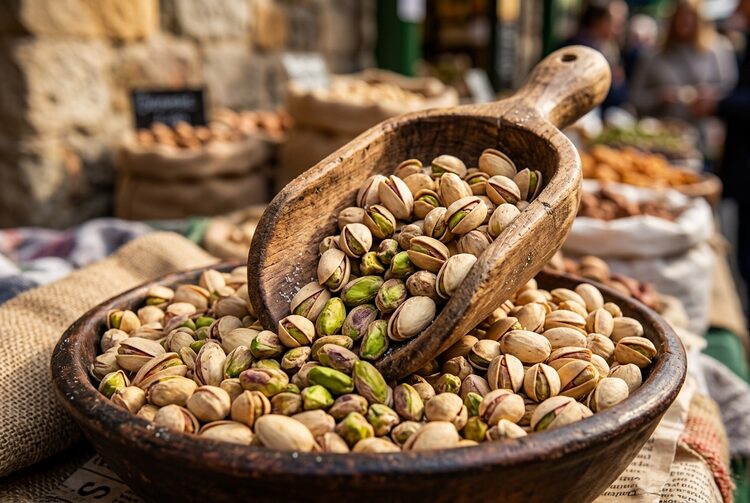
Salmonella is consistently one of the most common causes of food recalls in Canada. Between 2025 and 2026, a widespread multi-brand outbreak tied to imported pistachios led to dozens of secondary recalls, documented in the CFIA pistachio recall investigation and the PHAC Salmonella outbreak notice. Recalled brands included various pistachios and pistachio products (April 2026), Heeva Fine Foods pistachios, and Kehar pistachio kernels, alongside past events like the Kinder chocolate Salmonella recall (2022).
CFIA counted 504 recalls in fiscal 2025–26 versus 233 in 2024–25, largely because many products traced back to the pistachio outbreak, according to CFIA's food recall incidents statistics.
Signs of infection typically appear 6 to 72 hours after exposure and include diarrhea, fever, and abdominal cramps. While most recover within a week, severe cases spread to the bloodstream and require hospital care.

Listeria
The deadly July 2024 outbreak linked to Silk and Great Value refrigerated almond, coconut, and oat beverages resulted in 20 confirmed cases and 3 deaths. Contract manufacturer Joriki subsequently ceased production at all four Canadian facilities, and courts approved a June 2026 settlement for affected consumers.
Listeria recalls continue across other staples, including Coaticook aged cheddar, 7-Eleven sandwiches, subs and wraps, and Mushmoshi enoki mushrooms (February 2026).
Listeria is uniquely dangerous because it can survive and multiply at standard refrigeration temperatures. It poses grave risks to pregnant individuals, newborns, adults over 65, and people with compromised immune systems.
E. coli
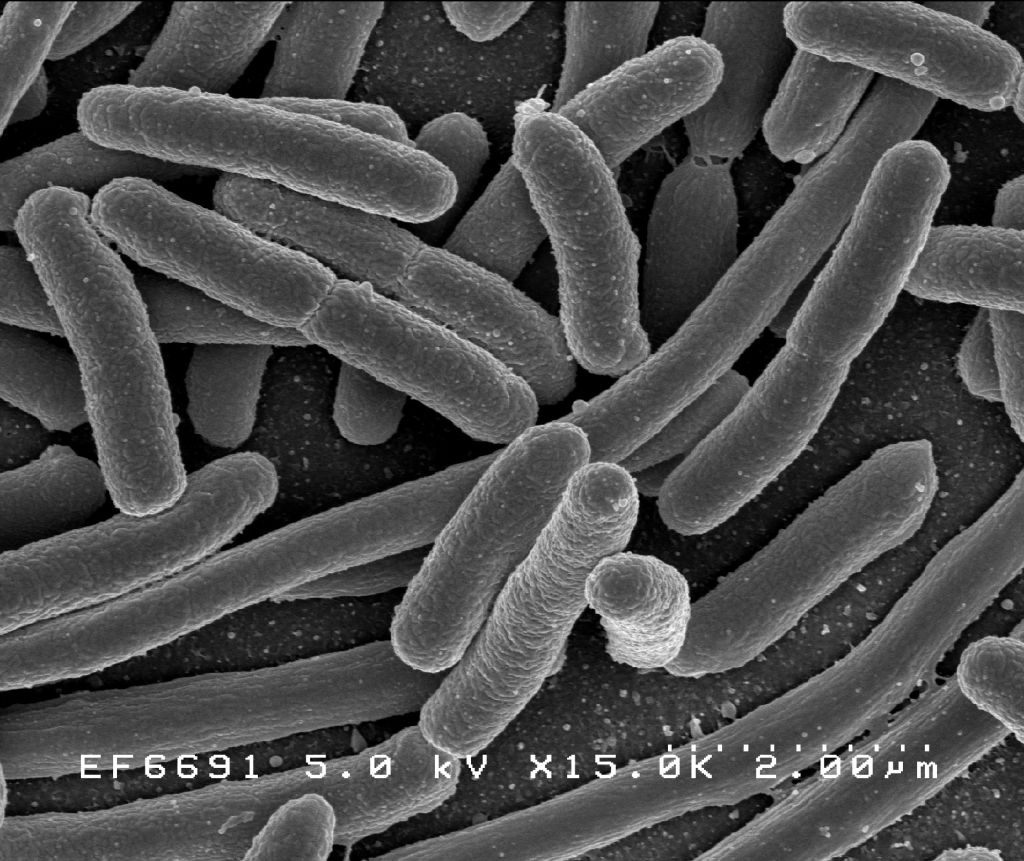
Shiga toxin-producing E. coli (such as O157:H7 and O26) triggers urgent recalls across ground meats, frozen meals, and fresh produce. Canadian notices in 2026 include no name beef burgers recalled for E. coli O157:H7 (January 2026), Pillsbury Pizza Pops recalled for E. coli O26 (January 2026), and Lufa broccoli microgreens recalled for E. coli (May 2026).
Infection can cause severe stomach cramps, bloody diarrhea, and vomiting. In severe cases it causes hemolytic uremic syndrome (HUS), a life-threatening kidney complication.
Botulism
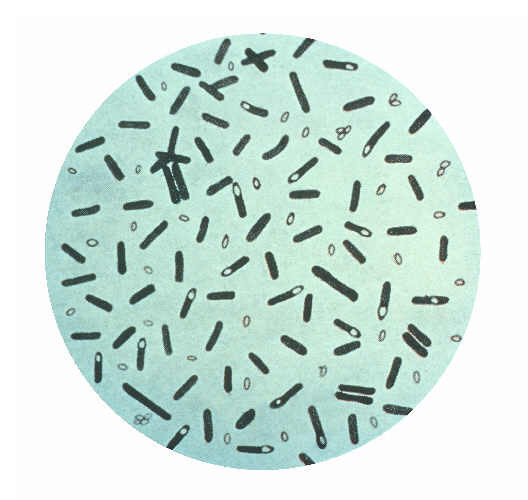
Recalls for Clostridium botulinum involve improperly canned foods, jarred sauces, garlic-in-oil mixtures, and vacuum-packaged smoked fish.
Botulism produces a potent neurotoxin that can cause paralysis and respiratory failure even in microscopic amounts. Prompt recognition of recalled lots is essential to prevent severe injury.
Other Biological Hazards
Other food safety alerts stem from Norovirus in raw shellfish, Hepatitis A in frozen fruits, Bacillus cereus in cooked grains, and mycotoxins or mold spoilage in commercially packaged foods.
What to do if your food is recalled
- Check the full product details — match the brand, product name, package size, UPC barcode, and lot or best-before date. Never rely on brand name alone, as most recalls affect specific batches.
- Do not eat, cook, or serve the recalled food. Even if the food looks, smells, and tastes normal, dangerous pathogens like Listeria and Salmonella are undetectable to human senses.
- Follow the recall notice's return or disposal instructions. If a leaking package was in your refrigerator, wash and sanitize any shelves, drawers, and surfaces that came into contact with it.
- If anyone who consumed the product develops symptoms of foodborne illness, contact a healthcare professional and mention the recall. For ongoing updates, consult the Government of Canada recall portal.
Looking for recent food recalls? Browse the latest food recalls in Canada.
Related recall guides
You should not have to come back and search this list. Get the next food recall by email or SMS. CA$3.99/mo.
 Recall Monitor
Information presented from Recalls and Safety Alerts dataset, provided by the Government of Canada through the Open Government initiative and is subject to the Open Government License.
You can access this data free of charge via Recall Monitor, or through the Healthy Canadians website.
Get personalized SMS or Email notifications about recall alerts that matter by subscribing to Recall Monitor.
Recall Monitor is not endorsed by, or is an official product of the Government of Canada.
Made with in Vancouver, BC
© Mad Filaments Software Inc.