Blood pressure medication recalls in CanadaSartans, amlodipine and the impurity recalls that keep coming back
Updated September 2026 · Sourced from Health Canada
According to Statistics Canada, about one in four Canadian adults is diagnosed with high blood pressure. These are daily, long-term maintenance medications — which is precisely why impurity recalls matter so deeply: exposure accumulates over months or years.
Health Canada has already logged 71 pharmaceutical drug recalls so far in 2026, and blood pressure medications remain among the most consistently affected categories.
The media and the government are inefficient in disseminating critical recall information to consumers. Often times it takes days or weeks before a major recall is announced by the media.
Consumers are asked to be proactive, but they are at the mercy of slow channels to receive important news. Some recalls aren't even mentioned anywhere except official channels.
Sartan and amlodipine lots were recalled again in 2026 — most patients found out from the pharmacy, weeks later.
Recall Monitor emails or texts you when a recall matches what you watch. CA$3.99/mo, cancel anytime.
2018: valsartan and the class action
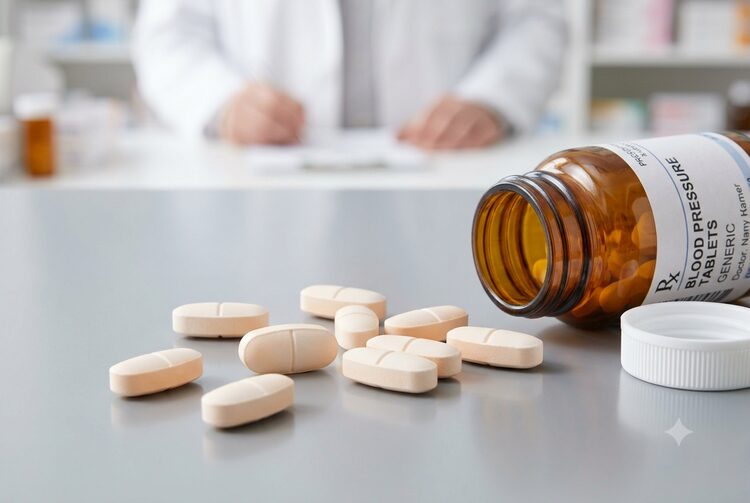
In July 2018, Health Canada launched urgent recalls of valsartan products after active pharmaceutical ingredients manufactured by overseas suppliers were found contaminated with N-nitrosodimethylamine (NDMA).
A major class action filed in Montreal followed within days, noting that thousands of Canadian patients were left in the dark while continuing to take contaminated pills. While our online database tracks notices issued after that initial alert, the wave of subsequent recalls continues to this day.
2019–2021: losartan, irbesartan and the azido impurity
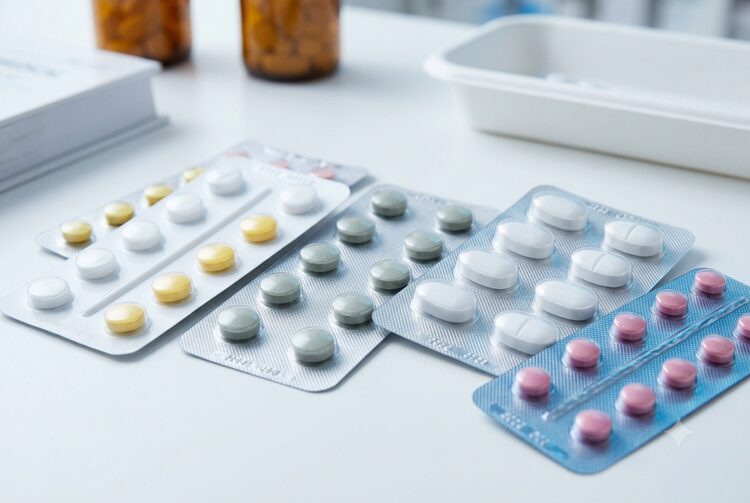
The nitrosamine contamination investigation expanded into other angiotensin II receptor blockers (ARBs). Health Canada issued repeated recalls, including multiple lots of irbesartan, losartan and valsartan recalled for an azido impurity (2021), the Mint-Losartan/HCTZ recall, the Sandoz losartan recall, and the Sandoz valsartan recall.
Health Canada classified nitrosamines (such as NDMA and NDEA) and azido impurities as probable human carcinogens when exposure occurs above acceptable daily intake thresholds, making rapid detection and notification critical.
2022: Pfizer's Accuretic and Inderal-LA
The impurity crisis was not confined to generic sartans. In 2022, Pfizer initiated high-profile recalls of brand-name therapies, such as when Pfizer recalls Accuretic blood pressure tablets (nitrosamine) and when Pfizer recalls Inderal-LA propranolol capsules (nitrosamine).
The same manufacturing vulnerability caused ripples across other daily medications, as seen when ranitidine recalled for NDMA affected heartburn sufferers and the APO-Metformin NDMA recall impacted diabetes care.

2025–2026: the wrong pill in the bottle
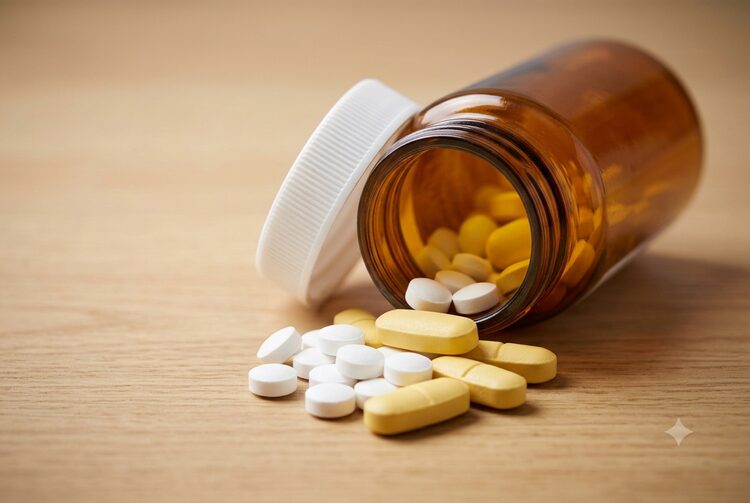
Beyond chemical trace impurities, recent years have seen packaging and bottling mix-ups that present immediate danger. In February 2026, notices alerted Canadians that MAR-Amlodipine 5 mg bottles contained midodrine (Feb 2026), which drew national CBC coverage.
This followed earlier packaging mix-ups where NRA-Amlodipine bottles contained metoprolol (2025), Apo-Candesartan out-of-specification lots (2026) failed dissolution testing, a pms-Irbesartan lot mixed with irbesartan/HCTZ (Aug 2026) contained undeclared diuretic, and all lots of JAMP-Clopidogrel recalled for incorrect dose (2024).
What to do if your blood pressure medication is recalled
- Read the DIN and lot number on the label — do not go by drug name alone, as most recalls are lot-specific.
- Do not stop taking your medication without first consulting your pharmacist or doctor — Health Canada's explicit guidance emphasizes that abruptly stopping a hypertension drug poses immediate health risks.
- Contact your dispensing pharmacy for a replacement lot or generic alternative.
- Watch for follow-up notices — sartan and blood pressure recalls frequently arrive in waves across multiple brands.
Related recall guides
You should not have to come back and search this list. Get the next blood pressure drug recall by email or SMS. CA$3.99/mo.
 Recall Monitor
Information presented from Recalls and Safety Alerts dataset, provided by the Government of Canada through the Open Government initiative and is subject to the Open Government License.
You can access this data free of charge via Recall Monitor, or through the Healthy Canadians website.
Get personalized SMS or Email notifications about recall alerts that matter by subscribing to Recall Monitor.
Recall Monitor is not endorsed by, or is an official product of the Government of Canada.
Made with in Vancouver, BC
© Mad Filaments Software Inc.