Medical device recalls in CanadaImplants, pumps, monitors and machines you cannot simply return
Updated September 2026 · Sourced from Health Canada
There have been 266 medical-device-labelled records among 332 unique health-category recall notices in Canada so far in 2026 — roughly four device records for every five unique health notices and more than one device record per day (subtype labels overlap on cross-categorized advisories and therefore sum above 332). Devices are recalled for software faults, contamination, mechanical failure and mislabelling, and unlike a food item a device is often inside or attached to a person.
Manufacturers notify hospitals and distributors; patients usually hear last.
The media and the government are inefficient in disseminating critical recall information to consumers. Often times it takes days or weeks before a major recall is announced by the media.
Consumers are asked to be proactive, but they are at the mercy of slow channels to receive important news. Some recalls aren't even mentioned anywhere except official channels.
266 medical-device-labelled records so far in 2026 — about four for every five unique health notices.
Recall Monitor emails or texts you when a recall matches what you watch. CA$3.99/mo, cancel anytime.
Breast implants
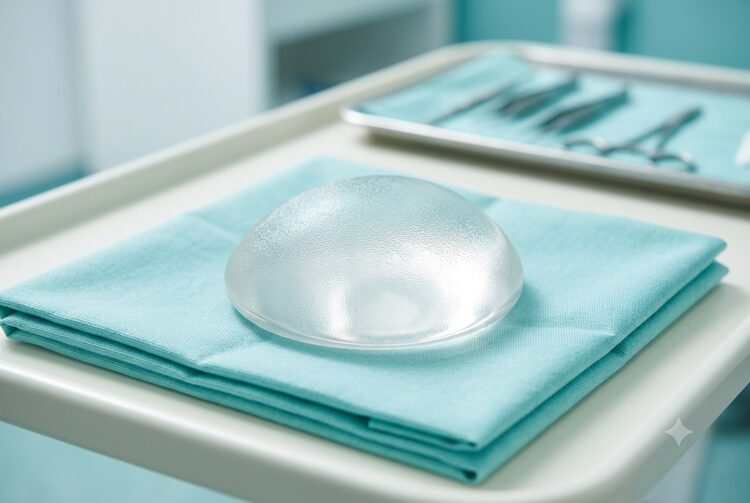
Health Canada suspended Allergan's Biocell textured implant licences in May 2019 over breast implant-associated anaplastic large cell lymphoma (BIA-ALCL) risk (Health Canada suspends Allergan Biocell breast implant licences), followed by an updated breast implant safety review in 2022.
Safety notifications also covered the Mentor saline breast implant recall and the Ideal Implant structured breast implant recall in 2026. Serial-number lookups remain the top way visitors reach implant recall details on this service.
CPAP, BiPAP and ventilators
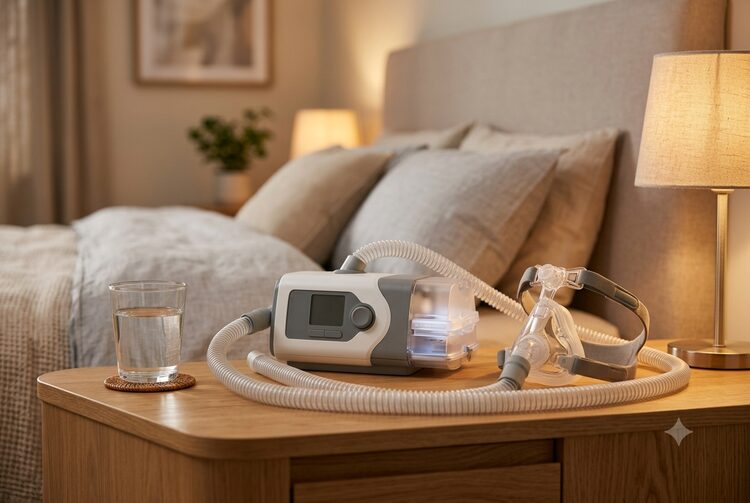
The global Philips Respironics foam-degradation recall began in 2021 and expanded across multiple sleep therapy models (Philips Respironics CPAP and BiPAP recall (2021), Philips CPAP recall expansion (2022)).
Further notices addressed magnetic interference in mask clips (Philips sleep therapy mask magnet warning) and ventilation faults in life-support equipment such as the Philips BiPAP A40 Pro ventilator recall.
Insulin pumps and glucose monitors
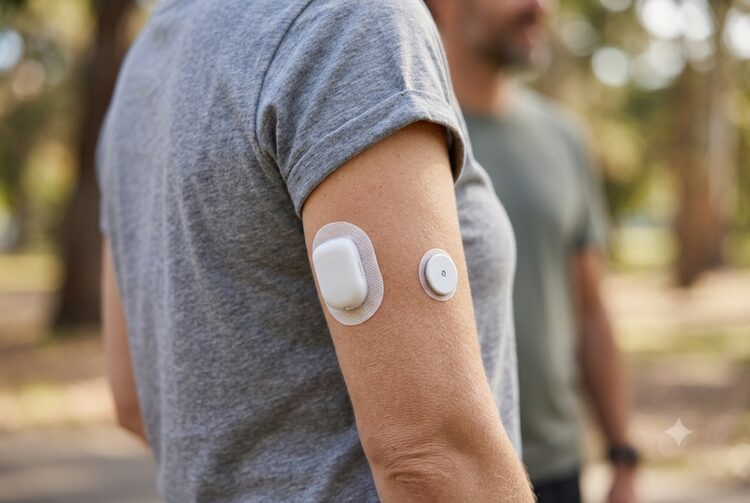
Diabetes care relies heavily on connected continuous monitoring and automated delivery. Recalls have included the Omnipod insulin management system recall (2026), the t:slim X insulin pump recall, the Dexcom G7 sensor recall, and the FreeStyle Libre 3 Plus sensor recall.
In addition, Health Canada issued a specific alert warning that glucose monitor smartphone alert warning sound alarms may fail to notify patients of critical highs or lows on certain mobile operating systems.
Pacemakers, ICDs and defibrillators
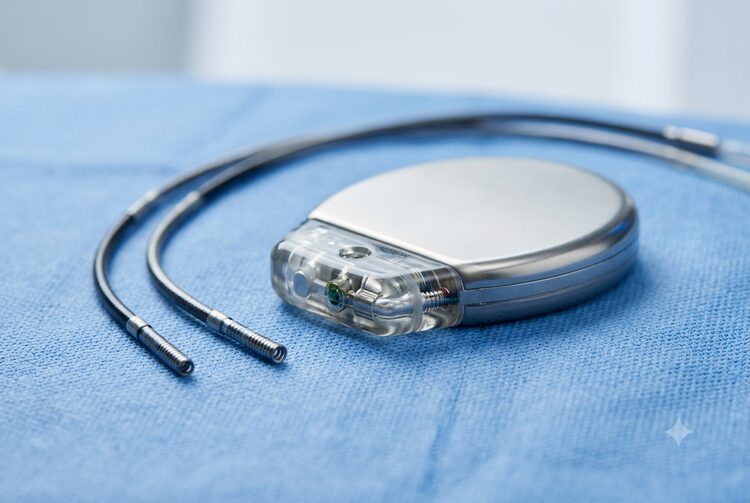
Implantable cardiac devices have faced recalls for premature battery depletion, software synchronization glitches and header anomalies, including Assurity and Endurity pacemaker recall, the Medtronic implantable defibrillator recall, and the Aveir leadless pacemaker recall.
Hospital and emergency-response equipment was also recalled in 2026, including the LIFEPAK 35 defibrillator recall.
Auto-injectors and everyday devices
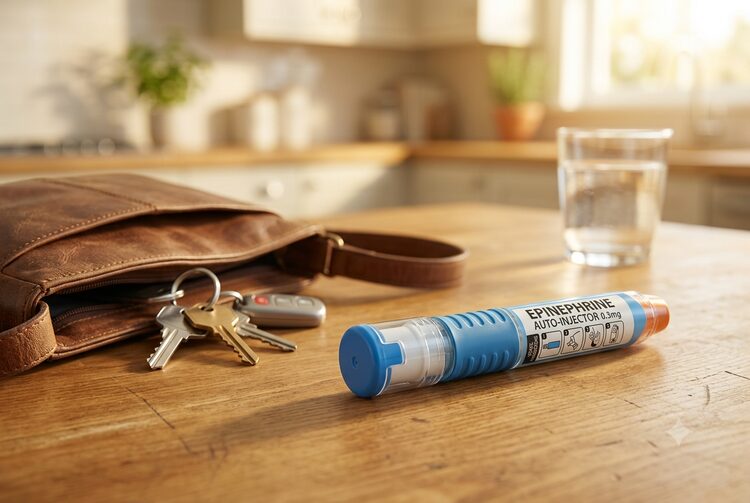
Emergency auto-injectors face strict reliability requirements. Notices have covered the Emerade epinephrine auto-injector recall for potential activation failure, as well as the EpiPen auto-injectors sticking in carrier tubes issue.
This echoes earlier widespread campaigns like the historic 2015 Allerject recall, showing why automated monitoring of device safety notices is vital for families managing severe allergies.
What to do if your device is recalled
- Find the model and serial/lot number (on the device, packaging, or patient implant card) and compare with the official notice.
- Do not stop using a life-sustaining device without medical advice — Health Canada notices explicitly instruct patients to consult their care team first.
- Contact the manufacturer's customer care recall line or your clinic for next steps and replacement scheduling.
- Report any product problems, malfunctions, or adverse events to Health Canada via MedEffect Canada.
Related recall guides
You should not have to come back and search this list. Get the next medical device recall by email or SMS. CA$3.99/mo.
 Recall Monitor
Information presented from Recalls and Safety Alerts dataset, provided by the Government of Canada through the Open Government initiative and is subject to the Open Government License.
You can access this data free of charge via Recall Monitor, or through the Healthy Canadians website.
Get personalized SMS or Email notifications about recall alerts that matter by subscribing to Recall Monitor.
Recall Monitor is not endorsed by, or is an official product of the Government of Canada.
Made with in Vancouver, BC
© Mad Filaments Software Inc.